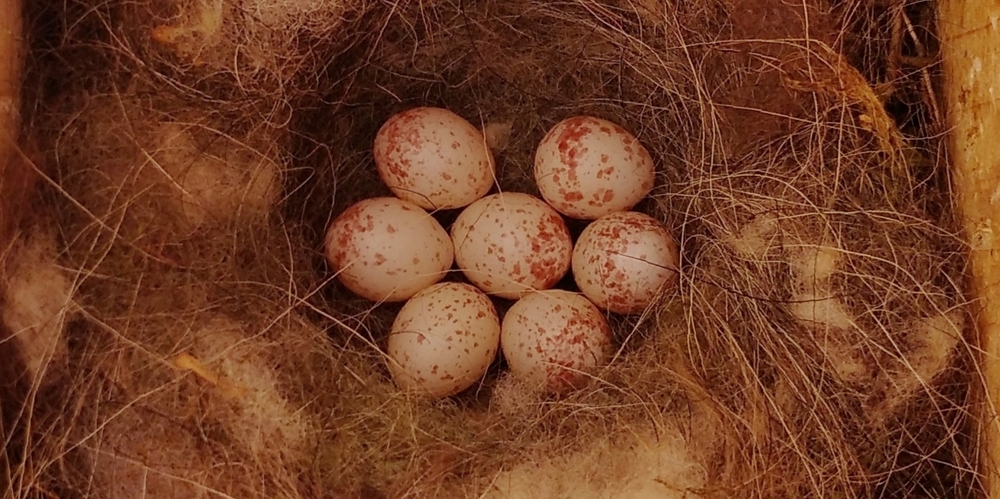
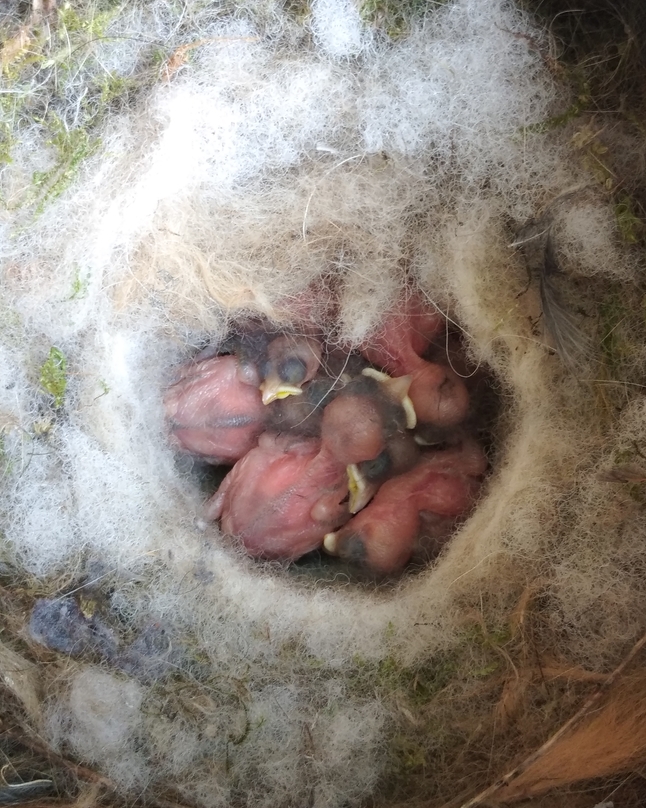
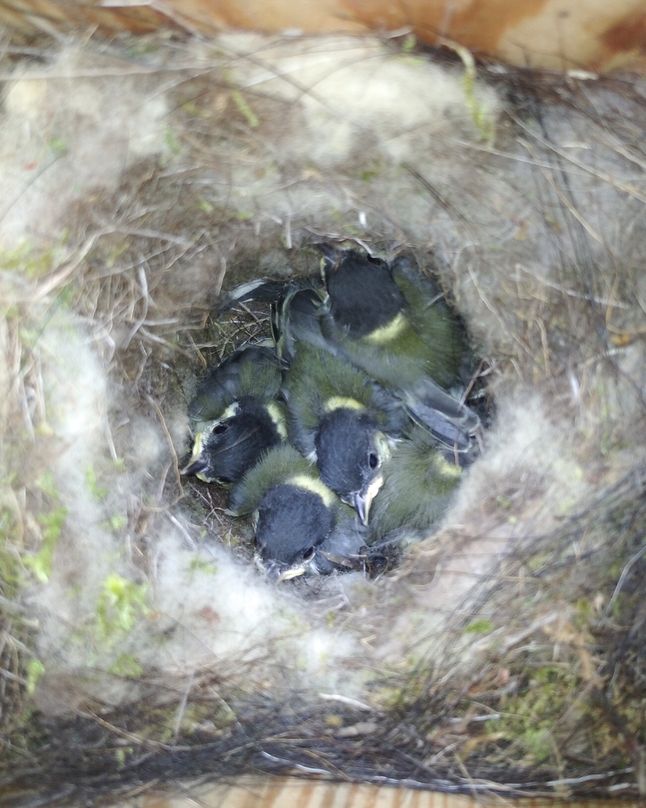
I am delighted to share a preprint of our recent research study showing that veterinary ectoparasiticides are present in Great Tit (Parus major) nests not only in urban habitats but also in a protected forest, highlighting companion animal treatments as a previously under-recognised pathway of pesticide exposure in wild birds.
Highlights
Veterinary ectoparasiticides were detected in urban and forest Great Tit nests
Urban nests contained higher contamination levels and greater compound diversity
Acetamiprid occurred only in urban nests, indicating additional environmental inputs
Protected forests also exposed to imidacloprid, fipronil sulfone and permethrin
Bird nests reveal an overlooked pathway linking pet treatments to wildlife exposure
Funded by the Research Fellowship Programme (025-2.1.1-EKÖP-2025-00029/112) of Ministry of Culture and Innovation of Hungary from the National Fund for Research, Development and Innovatio